Distributor pricing is the cost manufacturers charge distributors for products—typically 20% to 40% below wholesale and 50% to 70% below MSRP—so channel partners can cover operating costs and still turn a profit when reselling.
Get this price point wrong, and you either squeeze your distributors out of business or leave money on the table. This guide covers the main pricing models, the factors that shape your rates, and a step-by-step approach to building a distributor pricing strategy that works for your channel.
>> See more: B2B Ecommerce for Distributors: How to Compete and Win in 2026
What is Distributor Pricing
Distributor pricing is the cost manufacturers charge distributors for products—typically 20% to 40% lower than wholesale pricing and 50% to 70% below MSRP. The discount exists so distributors can cover operating costs like warehousing, shipping, and sales overhead while still earning a profit when reselling to retailers or other buyers.
Think of distributor pricing as the first price point in a multi-tier channel. The manufacturer sets a base cost, the distributor adds markup, and the product moves down the chain toward the end customer. Getting this price right determines whether your channel partners stay profitable—and whether they keep ordering from you.
How Distributor Pricing Works
The mechanics are straightforward once you see the flow. A manufacturer establishes a base price for each product, and the distributor purchases at that price. From there, the distributor adds a markup to cover costs and generate margin before selling to retailers, resellers, or sometimes directly to business buyers.
Here’s what each layer looks like:
- Manufacturer’s price: The cost the distributor pays to acquire inventory
- Distributor markup: Added costs for storage, logistics, handling, and profit margin
- Sell price: What the distributor charges the next buyer in the chain
The markup typically ranges from 15% to 40%, though it varies by industry and product category. So how does distributor pricing compare to wholesale and retail pricing?

Distributor Pricing vs Wholesale Pricing vs MSRP
These three terms often get confused, yet they represent distinct pricing tiers in the supply chain. Understanding where each sits helps you structure agreements and protect margins at every level.
| Pricing Tier | Who Pays | Typical Discount from MSRP |
|---|---|---|
| MSRP | End consumer | 0% (reference price) |
| Wholesale | Retailers buying in bulk | 40%–50% |
| Distributor | Distributors buying from manufacturers | 50%–70% |
What Wholesale Pricing Means
Wholesale pricing is what distributors or manufacturers charge retailers who buy in bulk. It sits above distributor cost but below MSRP, giving retailers room to mark up for their own customers.
Where MSRP Fits In
MSRP stands for Manufacturer’s Suggested Retail Price—the recommended final price to consumers. It anchors the entire pricing chain and helps maintain consistent brand positioning across channels.
When to Use Each Pricing Tier
Use distributor pricing for channel partners who resell to multiple accounts. Reserve wholesale pricing for retailers buying direct. MSRP applies to consumer-facing channels where you want price consistency.
How to Calculate Distributor Pricing
The basic formula looks like this:
Distributor Price = Manufacturer Cost + Operating Costs + Desired Profit Margin
Each component matters. Manufacturer cost is your baseline. Operating costs include everything required to move and store the product. Profit margin is what keeps your distribution partners in business.
Here are the cost components you’ll typically factor in:
- Product cost from the manufacturer
- Storage and warehousing expenses
- Shipping and logistics fees
- Sales and administrative overhead
- Target profit margin
Many businesses also layer in volume discounts and contract terms, which we’ll cover shortly.
Types of Distributor Pricing Models
Choosing the right pricing model depends on your market, product type, and customer segments. Here are the most common approaches.
Cost-Plus Pricing
Cost-plus pricing adds a fixed markup to the manufacturer’s cost. It’s simple to calculate and easy to explain. However, cost-plus pricing doesn’t account for what customers are actually willing to pay or how competitors are pricing similar products.
Value-Based Pricing
Value-based pricing sets prices according to perceived customer value rather than cost. This approach works well for differentiated products, though it requires market research to understand buyer willingness to pay.
Competitive Pricing
Competitive pricing means setting your rates based on what competitors charge. It’s common in commoditized industries where products have low differentiation.
Cost-to-Serve Pricing
Cost-to-serve pricing calculates the exact cost of serving each customer—including customized logistics, delivery frequency, and support requirements. It’s more sophisticated than cost-plus and helps ensure profitability per account.
Tiered and Volume-Based Pricing
Tiered pricing offers better rates for larger order quantities or higher-value customers. Volume tiers, minimum order quantities (MOQs), and customer group segmentation all fit into this model.

Key Factors That Shape Distributor Pricing
Pricing doesn’t happen in isolation. Multiple internal and external factors influence the right price point for your distribution channel.
Competitor Pricing and Market Position
Analyzing competitor rates helps you position your pricing strategically. On the other hand, blindly matching competitors can erode margins—especially if your cost structure differs from theirs.
Customer Demand and Segment Value
Different customer segments warrant differential pricing. A large distributor moving high volume might justify deeper discounts than a smaller regional partner placing occasional orders.
Storage, Logistics, and Operating Costs
Warehousing, transportation, handling, and fulfillment costs all factor into sustainable pricing. Ignoring operating costs leads to margin erosion over time.
Contract Terms and Volume Commitments
Long-term contracts, MOQs, and volume commitments influence pricing negotiations.
MAP Policies and Channel Rules
MAP stands for Minimum Advertised Price. The policies protect brand value and prevent channel conflict by setting a floor on how low retailers can advertise your products, keeping your distribution partners competitive.
Common Challenges in Managing Distributor Pricing
Pricing complexity creates real operational pain points. Here’s what trips up most businesses.
Inconsistent Pricing Across Regions and Channels
When prices vary without clear logic, it creates confusion, erodes trust, and can violate distribution agreements.
Channel Conflict with Direct Sales and Retail
Selling direct-to-consumer or to retailers at different price points can undercut distributor relationships. Clear channel separation matters.
Manual Price List Management and Errors
Managing price lists in spreadsheets leads to errors, outdated data, and slow updates. The larger your catalog, the worse this problem becomes.
MAP Compliance and Visibility Leaks
If wholesale or distributor pricing becomes visible to retail customers, it undercuts retail partners and confuses B2C shoppers. Access controls prevent this from happening.
Best Practices for Setting and Managing Distributor Pricing
Here’s how to get distributor pricing right from the start.
Define Clear Pricing Policies and Contracts
Document your pricing rules, discount structures, and terms in distributor agreements. Ambiguity leads to disputes down the line.
Build Tiered Volume Incentives
Structure volume discounts that encourage larger orders while protecting your margins. Make the tiers visible so buyers know what they’re working toward.
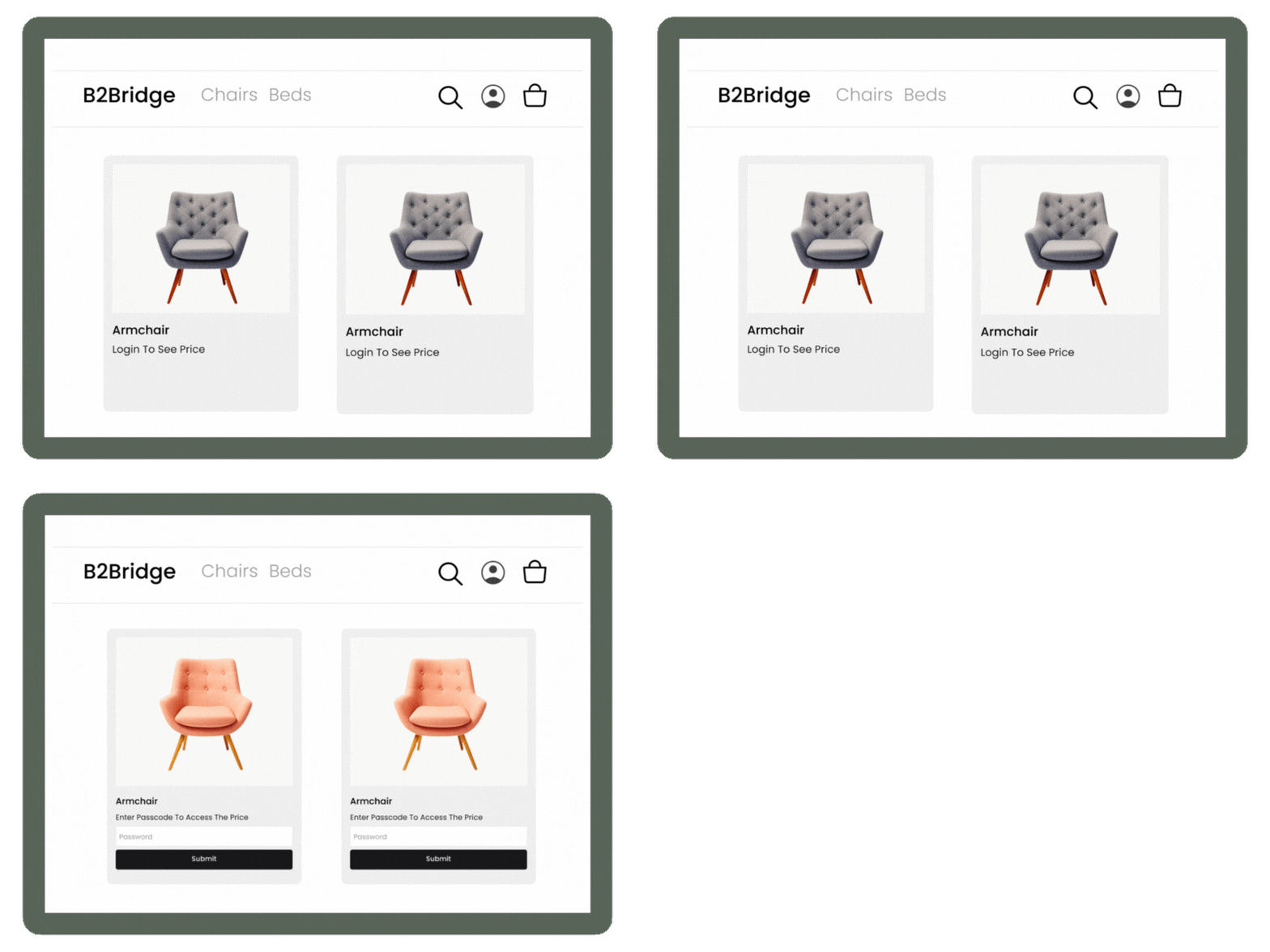
Hide Wholesale Pricing from Retail Shoppers
B2B pricing works best when it stays gated so retail customers don’t see discounted rates. Login-based visibility controls solve this problem.
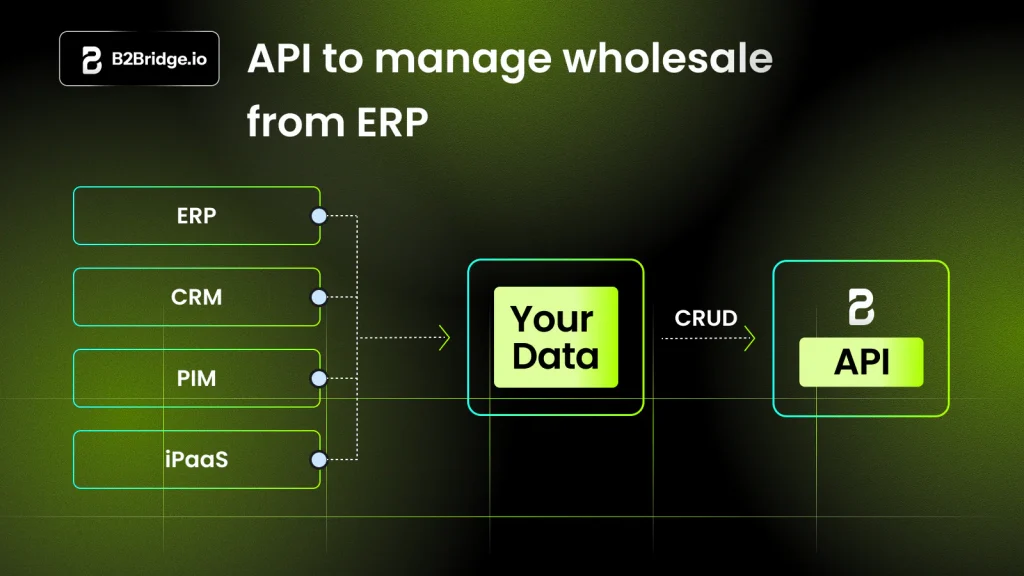
Sync Pricing with Your ERP and CRM
Pricing data flows better when it moves between systems—ERP, CRM, ecommerce—without manual intervention. Integration eliminates data silos and reduces errors.
Review and Adjust Pricing Regularly
Periodic pricing reviews based on costs, market conditions, and competitive dynamics keep margins healthy and pricing competitive.
How to Build a Distributor Pricing Strategy Step by Step
Ready to implement? Here’s a practical process.
1. Audit Your Current Pricing and Margin Data
Start by analyzing existing price lists, margins, and profitability by product and customer segment.
2. Segment Your Distributors and Customer Groups
Group distributors by volume, region, or value tier to enable differentiated pricing that rewards your best partners.
3. Choose the Right Pricing Models per Segment
Match pricing models—cost-plus, value-based, tiered—to each segment’s characteristics and purchasing behavior.
4. Set Volume Tiers, MOQs, and Order Rules
Define minimum order quantities, quantity increments, and volume discount thresholds that protect margins while incentivizing larger orders.
5. Automate Price Lists Across Systems
Connect pricing data to your ERP, CRM, and ecommerce platform to eliminate manual updates and reduce errors.
6. Monitor Performance and Iterate
Track margin performance, order volume, and customer behavior. Then adjust pricing based on what the data tells you.
The Role of Technology in Distributor Pricing
Modern distributor pricing requires software to manage complexity at scale. Here’s what the technology stack typically includes.
ERP and CRM Systems
ERP and CRM platforms store customer data, pricing rules, and order history. Integration between ERP, CRM, and your ecommerce platform keeps everything synchronized and reduces manual work.
B2B Ecommerce Pricing Engines
B2B ecommerce platforms display the correct price to each logged-in buyer, apply volume discounts automatically, and hide wholesale pricing from retail visitors. Role-based pricing, customer-specific price lists, and volume tiers all run through this layer.
Run Distributor Pricing Inside Shopify with B2Bridge
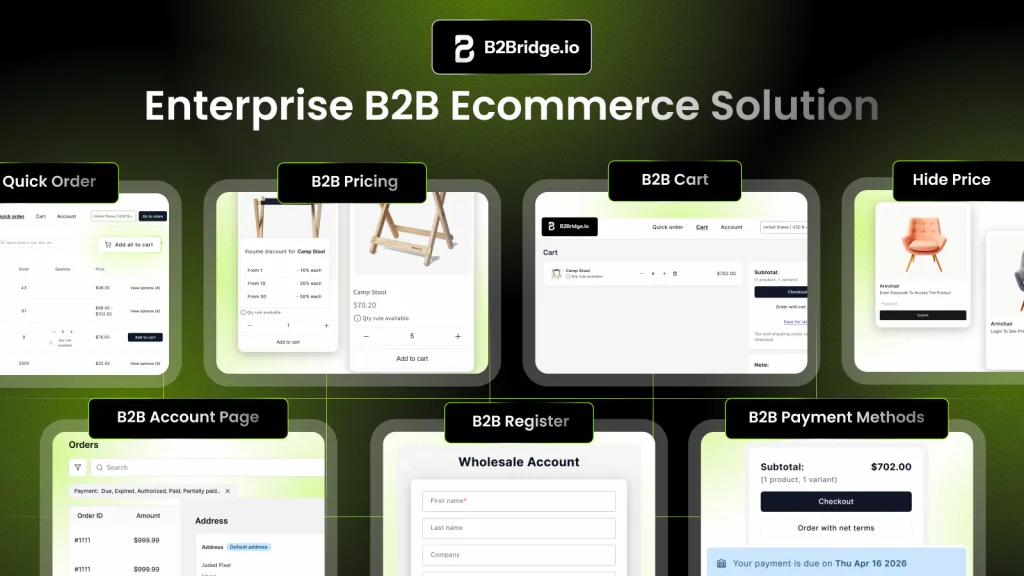
If you’re running wholesale operations on Shopify, B2Bridge brings enterprise-grade distributor pricing without requiring Shopify Plus. The B2B Pricing Engine supports customer-specific and role-based price lists, tiered and volume-based discounts, minimum order quantities and quantity increments, and hidden wholesale pricing visible only to logged-in B2B buyers.
ERP and CRM integration—including NetSuite, Zoho, Odoo, and custom systems—keeps pricing, customers, and orders aligned across your entire operation.
Frequently Asked Questions about Distributor Pricing
What is a good profit margin for distributors?
A healthy distributor margin varies by industry, but it covers all operating costs—storage, logistics, sales, and overhead—while leaving room for profit. The right margin depends on your cost structure, competitive landscape, and customer expectations.
How is distributor pricing different from dealer pricing?
Distributor pricing applies to partners who buy in bulk and resell to multiple retailers or end users. Dealer pricing typically refers to pricing for partners who sell directly to end customers, often with exclusive territories or product lines.
How often should distributor pricing be reviewed?
Most businesses review distributor pricing at least quarterly or whenever significant cost, market, or competitive changes occur.
Can distributor pricing be automated in Shopify?
Yes—B2B ecommerce apps like B2Bridge allow Shopify merchants to automate distributor and wholesale pricing with customer-specific price lists, volume tiers, and role-based access controls, all without requiring Shopify Plus.
How do you prevent channel conflict when selling online?
You prevent channel conflict by using access controls to hide wholesale or distributor pricing from retail shoppers, enforcing MAP policies, and clearly segmenting your B2B and B2C sales channels within a single storefront.

As a Product Marketing Executive at B2Bridge, I focus on the Enterprise B2B Ecommerce domain. I leverage my understanding of product and user psychology to deliver customer-centric content that addresses business challenges and fuels growth.