Dynamic pricing is a strategy where businesses adjust prices in real time based on demand, competition, inventory, and customer behavior. Instead of setting one fixed price and waiting months to revisit it, prices flex automatically as market conditions shift throughout the day, week, or season.
You’ve experienced this more than you realize. That flight you checked yesterday costs $50 more today, and the Uber ride that ran $15 last week just hit $28 during rush hour. This guide covers how dynamic pricing works, the main strategy types, real-world examples across industries, and how B2B sellers can apply dynamic pricing logic to wholesale operations.
What Is Dynamic Pricing
Dynamic pricing is a strategy where businesses adjust prices in real time based on supply, market demand, competitor activity, inventory levels, and customer behavior. Instead of setting one fixed price and leaving it alone, dynamic pricing lets prices flex automatically as conditions change throughout the day, week, or season.
You’ve likely experienced dynamic pricing without realizing it. That flight you checked yesterday costs $50 more today. The Uber ride that ran $15 last Tuesday jumps to $28 during rush hour. The hotel room that seemed reasonable last month now costs twice as much because a conference is in town.
The key factors that drive dynamic price changes:
- Market demand: Higher demand pushes prices up, while lower demand pulls prices down
- Competitor pricing: Prices shift based on what rivals charge for similar products
- Inventory levels: Low stock can trigger price increases, while excess inventory may prompt discounts
- Customer segment: Different buyers may see different prices based on their profile or purchase history
- Timing: Prices change by hour, day, season, or proximity to an event

How Dynamic Pricing Works
Dynamic pricing follows a three-stage process. First, data flows in from various sources. Then, algorithms or rules analyze that data. Finally, prices update automatically without manual intervention.
Step 1: Data collection from market and customer signals
Businesses gather information from multiple sources: competitor price feeds, website traffic patterns, inventory management systems, historical sales data, and external factors like weather or local events. The more reliable the data, the more accurate the pricing decisions become.
Step 2: Price analysis and decisioning
Pricing algorithms analyze the collected data to determine optimal prices. In simpler setups, this might be rule-based logic like “if competitor X drops below $50, match their price.” More sophisticated systems use machine learning to predict demand curves and recommend prices that maximize revenue or margin.
Step 3: Automated price adjustment
Once the system determines a new price, it pushes that change live. On an ecommerce storefront, product pages update automatically. In physical retail with digital shelf labels, prices can change multiple times per day. Automation makes dynamic pricing practical at scale because manual updates simply cannot keep pace with market changes.
Dynamic Pricing vs Static Pricing
Static pricing means setting one price and leaving it until someone manually changes it. Dynamic pricing means prices move continuously based on market conditions.
Neither approach is inherently better. The right choice depends on your market, operations, and customer expectations.
| Factor | Dynamic Pricing | Static Pricing |
|---|---|---|
| Price changes | Frequent, often automated | Rare, manual updates |
| Response to demand | Adjusts in real time | Stays constant |
| Revenue optimization | Higher potential during peaks | Predictable but limited |
| Complexity | Requires data infrastructure and tools | Simple to manage |
| Customer perception | Can feel unfair if poorly communicated | Feels consistent |
Types of Dynamic Pricing Strategies
Different businesses use different approaches depending on what drives value in their market and what data they can reliably access.
Demand-based pricing
Prices rise when demand spikes and fall when demand drops. This is the most common form of dynamic pricing and the one most consumers recognize from concert tickets, hotel rooms, and ride-sharing apps.
Time-based pricing
Prices change based on timing: hour of day, day of week, or season. Happy hour drink specials and off-peak electricity rates both fall into this category.
Segmented pricing
Different customer groups see different prices based on attributes like loyalty status, purchase history, or membership tier. A returning customer might see a lower price than a first-time visitor.
Competitor-based pricing
Prices adjust in response to competitor moves, often within predefined floors and ceilings. Retailers in crowded categories frequently use this approach to stay competitive.
Location-based pricing
Prices vary by geography based on local market conditions, shipping costs, and purchasing power. A product might cost more in one region than another due to differences in demand or logistics.
Real-World Examples of Dynamic Pricing
Ride-sharing and surge pricing
Uber and Lyft increase prices during periods of high demand. When more riders request cars than drivers are available, prices climb to balance supply and demand. The surge multiplier can push a $15 ride to $45 or more during peak times.
Airlines and hospitality
Flight and hotel prices shift constantly based on booking timing, occupancy rates, and seasonality. Book a flight six months out, and you’ll likely pay less than someone booking the same seat a week before departure.
Ecommerce and online retail
Large online retailers adjust prices multiple times per day across their catalogs. They track competitor prices, inventory levels, and demand signals to make near real-time adjustments.
Live events and ticketing
Concert and sports ticket prices fluctuate based on seat location, event popularity, and time until the event. Ticketmaster’s use of dynamic pricing for high-profile tours drew significant public attention when ticket prices climbed unexpectedly during initial sales.
Benefits of Dynamic Pricing for Businesses
Higher revenue and margin capture
Dynamic pricing captures more value during high-demand periods. A hotel that raises rates during a sold-out weekend earns more than one that keeps prices flat year-round.
Faster response to market shifts
When competitors drop prices or supply chain issues affect inventory, dynamic pricing systems react automatically. There’s no waiting for someone to notice and manually update a spreadsheet.
Better inventory and demand balance
Adjusting prices helps move slow inventory faster and prevents stockouts by moderating demand when supply runs low. The result is healthier inventory turns and fewer end-of-season markdowns.
Risks and Criticisms of Dynamic Pricing
Customer backlash and trust erosion
When customers discover they paid more than someone else for the same product, trust erodes quickly. Transparency about how and why prices change helps reduce this risk, though it doesn’t eliminate it entirely.
Pricing errors from bad data
Inaccurate or outdated data leads to embarrassing mistakes. Prices set too high lose sales, while prices set too low erode margins.
Regulatory and fairness concerns
Some regions have begun scrutinizing dynamic pricing practices, particularly for essential goods. Several U.S. states have proposed or enacted restrictions on using personal consumer data for real-time price adjustments.
When to Use Dynamic Pricing
Dynamic pricing works best under specific conditions:
- Volatile or seasonal demand: If demand swings significantly by season, event, or trend, dynamic pricing captures value during peaks
- Crowded competitive categories: When competitors change prices frequently, staying static puts you at a disadvantage
- Perishable or time-sensitive inventory: Products with expiration dates, limited availability, or event-based relevance benefit from real-time adjustments
How to Implement a Dynamic Pricing Strategy
Step 1: Define your pricing goals
Start by clarifying what you’re optimizing for. Revenue maximization? Margin protection? Market share? Inventory turnover? Your goal shapes every decision that follows.
Step 2: Audit your data sources
Identify what data you can access reliably: competitor prices, demand signals, customer segments, inventory levels. Gaps in data lead to gaps in pricing accuracy.
Step 3: Choose a dynamic pricing model
Select the strategy type that fits your market and goals. Many businesses combine multiple approaches, such as demand-based pricing with competitor-based guardrails.
Step 4: Set pricing rules and guardrails
Establish floors, ceilings, and maximum change thresholds. Without guardrails, automated systems can set prices that damage brand perception or profitability.
Step 5: Automate with dynamic pricing software
Manual dynamic pricing doesn’t scale. Tools and integrations make real-time adjustments possible without constant human oversight.
Step 6: Monitor, test, and optimize
Dynamic pricing isn’t set-and-forget. Review performance regularly, test different rules, and refine based on results.
Common Dynamic Pricing Mistakes to Avoid
- Ignoring customer perception: Focusing only on revenue without considering how price swings affect trust and loyalty backfires over time
- Over-relying on competitor prices: Blindly matching competitors can trigger price wars or lead to margin erosion when your cost structure differs
- Skipping pricing guardrails: Without floors and ceilings, automated systems can set prices that embarrass your brand or destroy profitability
Dynamic Pricing for B2B and Wholesale Sellers
B2B pricing adds layers of complexity that consumer-facing dynamic pricing rarely encounters. Negotiated contracts, volume commitments, and customer-specific terms all factor into wholesale pricing decisions.
Contract price lists and customer groups
B2B sellers often assign specific price lists to customer groups. Distributors see one set of prices, retailers another, and VIP accounts a third. This dual pricing approach can still adjust dynamically within contract parameters. Tools like B2Bridge support customer group pricing on Shopify, making this manageable without custom development.

Volume and tiered pricing rules
B2B dynamic pricing frequently includes automatic discounts at quantity thresholds. The more a buyer orders, the lower the unit price. This incentivizes larger orders while protecting margins on smaller ones.

ERP and CRM driven price updates
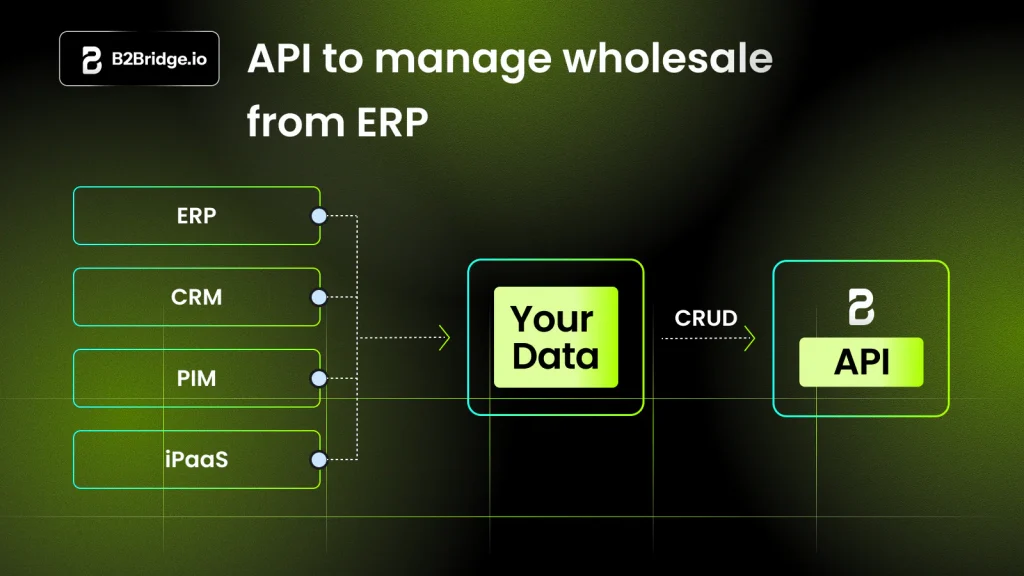
For enterprise B2B operations, price changes often originate in ERP or CRM systems and sync to the storefront. B2Bridge integrates with NetSuite, Zoho, and Odoo to keep pricing aligned across systems so your sales team and your website always show the same numbers.
The Future of Dynamic Pricing
AI-driven pricing is becoming accessible to mid-market businesses, not just enterprise retailers with dedicated data science teams. Personalization is advancing too, with more scenarios where each buyer sees rates tailored to their history and relationship.
Regulatory attention is increasing as well. As dynamic pricing spreads to groceries and essential goods, expect more scrutiny and potential restrictions in certain markets.
Try a Wholesale Pricing App to Set Smarter B2B Prices
If you’re running B2B operations on Shopify and want dynamic, customer-specific pricing without the complexity of Shopify Plus, B2Bridge brings enterprise-grade capabilities to standard Shopify plans.
What B2Bridge offers:
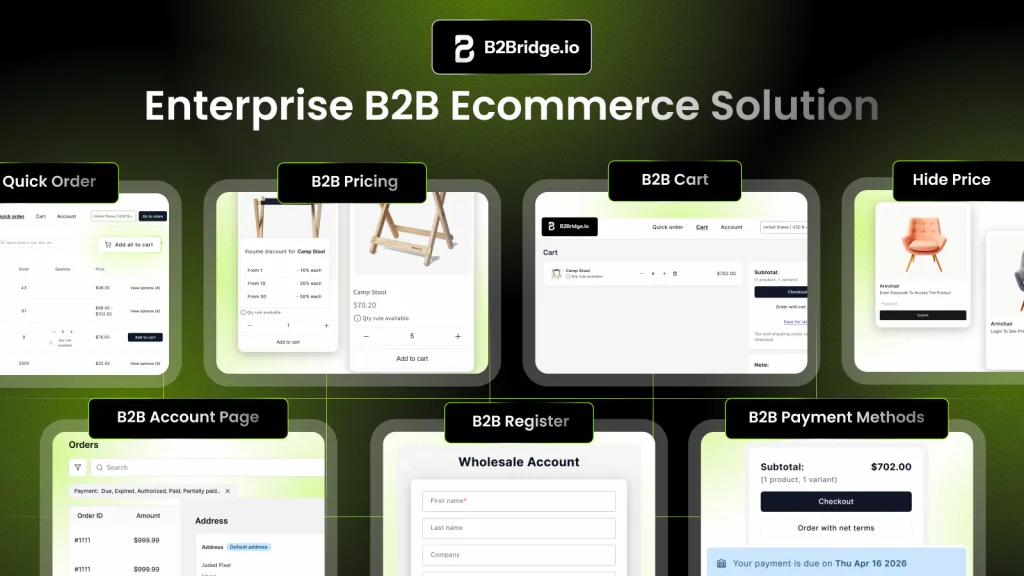
- B2B pricing engine: Customer-group pricing, volume tiers, MOQs, and quantity increments
- Hidden pricing: Wholesale prices stay invisible to retail shoppers
- ERP and CRM integration: Sync with NetSuite, Zoho, Odoo, or custom systems
- Multi-currency and tax-exempt logic: Sell globally without manual workarounds
- Net payment terms: Offer Net 30/60/90 natively
Contact us to get expert guidance for your wholesale store.
Frequently Asked Questions About Dynamic Pricing
Is dynamic pricing legal?
Yes, dynamic pricing is legal in most jurisdictions. However, some regions have introduced regulations around transparency and price gouging during emergencies, and a few U.S. states have restricted its use in grocery stores.
What is the difference between dynamic pricing and surge pricing?
Surge pricing is a specific type of dynamic pricing used primarily by ride-sharing services where prices spike during periods of high demand. All surge pricing is dynamic pricing, but not all dynamic pricing involves dramatic surges.
Did Taylor Swift use dynamic pricing for her Eras Tour?
Ticketmaster used dynamic pricing for Taylor Swift’s Eras Tour, which led to significant public backlash when ticket prices climbed to unexpectedly high levels during the initial sale.
Is McDonald’s using dynamic pricing?
McDonald’s announced plans to test digital menu boards that could enable dynamic pricing. After public criticism, the company clarified it would not raise prices during peak hours, though the infrastructure for future adjustments remains in place.
What software is used for dynamic pricing?
Common tools include Prisync, Competera, and Intelligence Node for retail. B2B sellers on Shopify can use wholesale apps like B2Bridge to manage customer-specific and volume-based pricing without building custom solutions.
Does dynamic pricing work for small businesses?
Yes, though simpler rule-based approaches often work better than complex AI models at smaller scale. The key is having reliable data and clear pricing goals before implementing any dynamic strategy.

As a Product Marketing Executive at B2Bridge, I focus on the Enterprise B2B Ecommerce domain. I leverage my understanding of product and user psychology to deliver customer-centric content that addresses business challenges and fuels growth.